Pain is information, not a verdict
Pain can have many causes, and its intensity does not always reveal exactly what is happening. It is still information worth noticing. Pain is not a personal failure, and continuing through it is not automatically proof of discipline or dedication.
A general article cannot diagnose pain. What it can do is help you describe changes clearly and recognize when dancing through a symptom is no longer a reasonable choice. Early communication creates more options than waiting until movement becomes impossible.
Pause when movement changes
Stop or modify the activity when pain is sharp, increasing, or causing you to limp, avoid weight, lose strength, or change technique. Swelling, bruising, a joint that feels unstable, or pain that affects normal walking and daily activity also deserves attention.
Do not use another dancer’s experience as a diagnosis. The same location can hurt for different reasons, and the right response depends on the individual. Tell a trusted adult, teacher, or caregiver what changed and when it began.
Know the urgent warning signs
Seek urgent medical help after an injury if a body part looks deformed, you heard a crack and cannot use it normally, you cannot bear weight, or the area is numb, tingling, unusually cold, or changing color. Severe or rapidly worsening pain and swelling also require prompt assessment.
Local emergency guidance differs by country. If you are unsure whether a symptom is urgent, contact a medical service or qualified healthcare professional rather than relying on an online article.
Make it easier to speak up
Dancers may stay quiet because they fear losing a role, missing limited training, disappointing a teacher, or appearing less committed. Adults can reduce that pressure by responding calmly, avoiding blame, and focusing first on what the dancer is experiencing.
A useful report can be simple: where it hurts, when it started, what movements change it, whether there is swelling or weakness, and whether it affects daily activity. Specific information helps the adults and clinicians supporting you decide what should happen next.
Returning is a process
Feeling better at rest does not always mean the body is ready for full-speed choreography. Returning may involve ordinary daily movement first, then selected dance activities, and finally the combinations, repetitions, speed, and performance demands that were present before the pain began.
A qualified healthcare professional can guide this progression when an injury is suspected or symptoms persist. Teachers can support the plan by allowing marking, reduced repetitions, or other temporary changes. A thoughtful return protects both the dancer and the years of art still ahead.
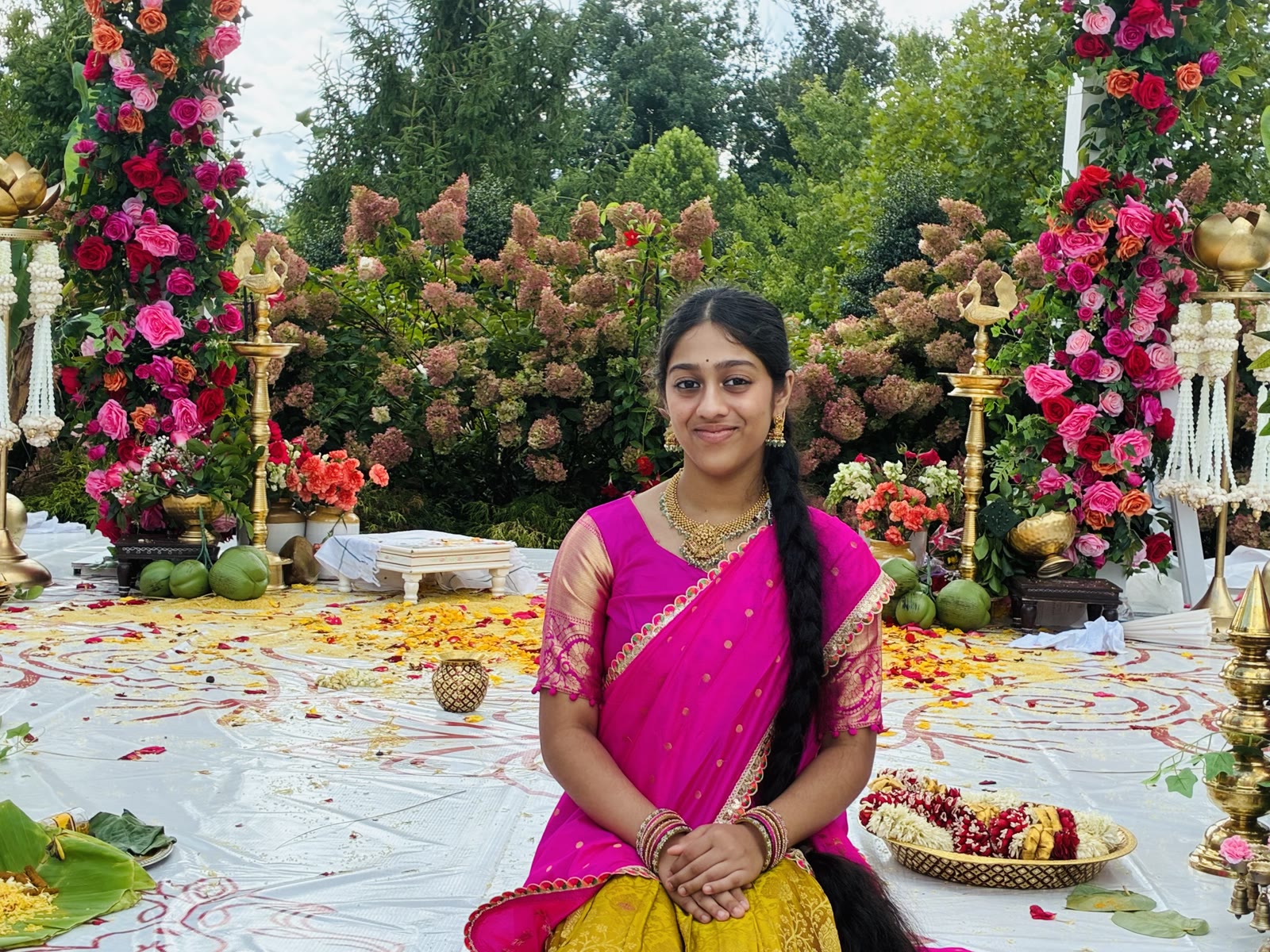
Anisha
Founder & Executive DirectorAnisha is the founder and executive director of Rasa Health Initiative and a Kuchipudi dancer. Her experience with knee weakness and pain during intensive training led her to explore how practical health education can better support young dancers.
References and further reading
Rasa Wellness Initiative provides educational information and does not provide individualized medical diagnosis or treatment. Dancers with injuries or health concerns should consult an appropriate qualified healthcare professional.