
Two tools with different jobs
A warm-up is a gradual transition from rest or everyday activity into the specific demands of dance. Its purpose is to raise readiness across the whole body and help attention shift toward the movement ahead. Stretching is one way to work with range of motion, but stretching alone does not create that full transition.
This difference matters because a dancer can feel flexible without being prepared for repeated footwork, deep positions, jumps, turns, or expressive upper-body movement. A complete warm-up brings together temperature, joint movement, muscular control, coordination, and the rhythm of the dance form.
Build the warm-up in layers
Begin with easy, continuous movement that gradually raises the pulse. Walking patterns, gentle rhythmic steps, or low-intensity movement through space can work. Next, move the major joints through comfortable ranges and add controlled dynamic movements that reflect the areas the session will use.
Finish by becoming more specific. A Kuchipudi rehearsal with sustained half-sitting positions and quick rhythmic sequences may call for preparation that differs from an expressive practice session or a full performance run. The final part of the warm-up should begin to resemble the speed, direction, coordination, and effort of the dancing to follow.
Where stretching fits
Dynamic stretching uses controlled movement through a range rather than holding one end position for a long time. It can fit naturally inside a warm-up because the body keeps moving and the range can increase gradually. Long, intense static stretches are usually better treated as separate flexibility work when the body is already warm.
More range is not always the right goal. Dancers who are naturally very mobile may need control and strength around a joint more than additional flexibility. If a stretch creates sharp pain, numbness, tingling, or a feeling of instability, stop and seek guidance from an appropriate health professional.
A simple rehearsal framework
Think in four parts: raise the pulse, mobilize the joints, activate and control, then rehearse the movement patterns. The exact exercises matter less than the progression. Start easy, add range and complexity, and finish close to the demands of the class, rehearsal, or performance.
A warm-up does not need to exhaust you. You should feel more alert, more coordinated, and ready to move with intention. On a cold day, before the first class of the day, or before a demanding performance, you may need more time than you do between sessions.
Questions to ask yourself
What will today’s dancing ask me to repeat? Which joints and movement patterns will carry the most demand? Do I feel prepared to move at full speed, or am I relying on the opening minutes of class to become warm? These questions can make preparation more specific without turning it into a rigid routine.
If pain or an existing injury changes how you move, an individualized plan from a qualified healthcare professional is more useful than a general online routine. The goal is not a perfect warm-up. It is a thoughtful transition into the work your body is about to do.
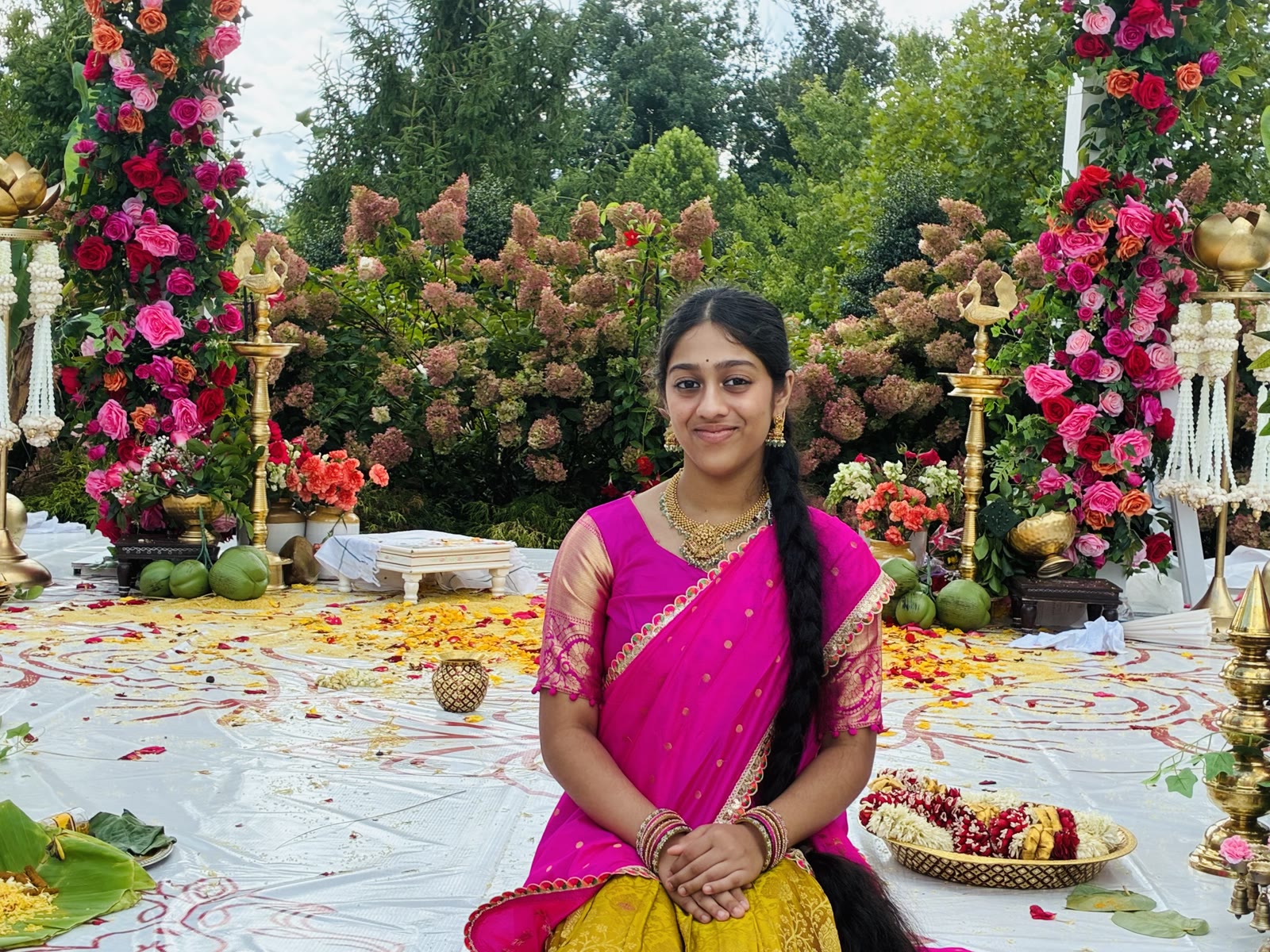
Anisha
Founder & Executive DirectorAnisha is the founder and executive director of Rasa Health Initiative and a Kuchipudi dancer. Her experience with knee weakness and pain during intensive training led her to explore how practical health education can better support young dancers.
References and further reading
Rasa Wellness Initiative provides educational information and does not provide individualized medical diagnosis or treatment. Dancers with injuries or health concerns should consult an appropriate qualified healthcare professional.